Securing the "Source of Life"- Building a Profit Moat Under Extreme Conditions
In the water‑scarce Arabian Peninsula, every drop of clean water sustains the rhythm of cities and communities. In the rugged southwestern highlands, transporting water safely and efficiently from deep mountain sources to municipal grids and remote villages has become the ultimate test of operational resilience.
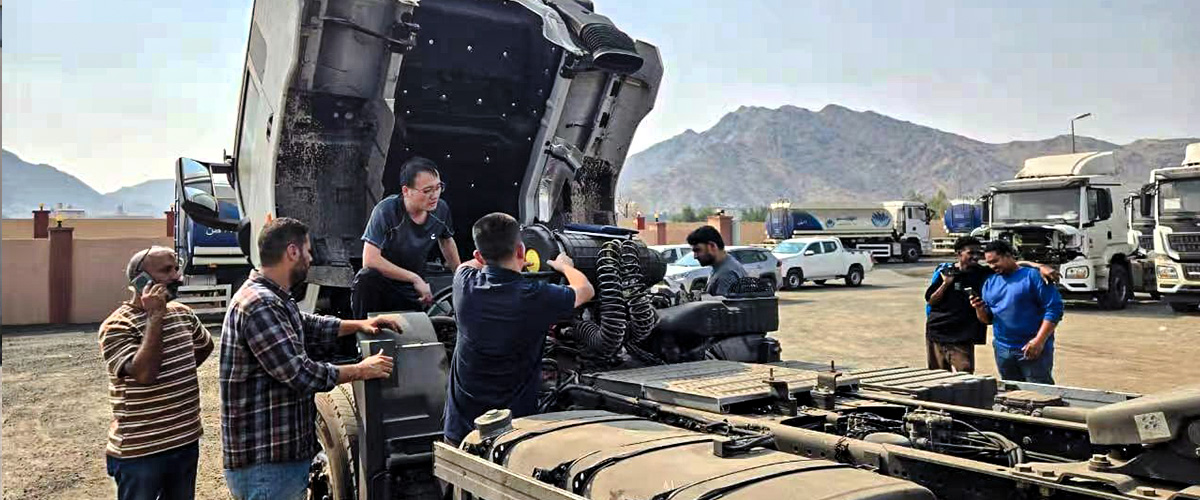
As the region’s premier private water‑logistics provider, EL Company carries critical municipal and essential‑water supply responsibilities. Its fleet of 1,000 heavy‑duty trucks operates around the clock to safeguard this vital lifeline. Yet the mountain routes they face are a true “forbidden zone” for conventional trucks.
The Ultimate Operational Crucible
Operating at elevations above 2,000 meters, engines struggle with thin air during steep climbs, while brakes endure extreme thermal stress on heavy‑load descents. The route includes punishing washboard surfaces and a 20‑kilometer continuous downhill stretch that accelerates brake‑pad wear to five times that of standard highway transport. During peak summer, ground temperatures exceed 50°C, and intense UV exposure rapidly degrades tires and hoses. With a strict zero‑downtime mandate, any unexpected breakdown directly threatens community water supply. Historically, this type of heavy‑haul mountain transport resulted in high fuel consumption, frequent maintenance, and shrinking margins, making the balance between delivery stability and a competitive Total Cost of Ownership (TCO) a central challenge for EL Company’s management.
Custom‑Engineered for the Extreme
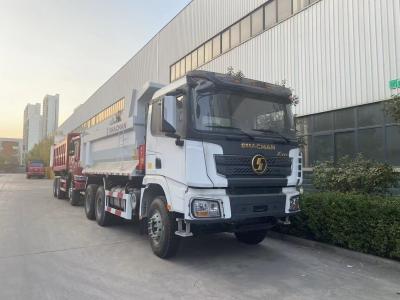
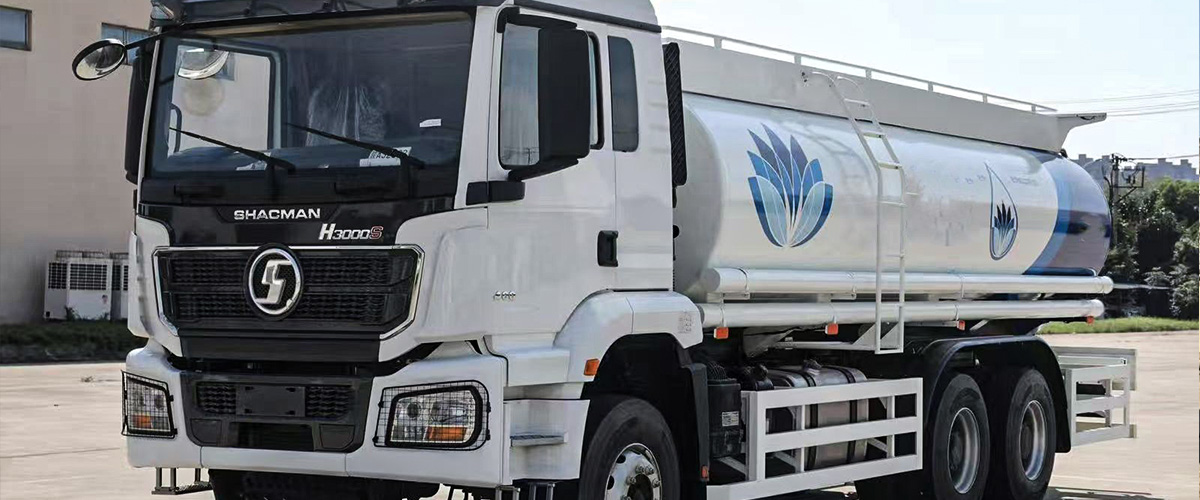
The introduction of the SHACMAN H3000S marked a turning point. Working closely with SHACMAN’s technical team, EL Company customized the trucks specifically for the grueling 350‑kilometer route. To address the dangerous 20‑kilometer descent, the trucks were equipped with hydraulic retarders that replaced constant service braking, significantly reducing driver fatigue and preventing abnormal tire and brake wear. For the region’s extreme heat and dusty terrain, oversized radiators and desert‑grade air‑filtration systems ensured stable power output and prevented overheating or intake clogging. The tank body, built directly by SHACMAN’s factory, met strict leak‑proof and durability requirements, with EL Company participating in joint pre‑delivery inspections to guarantee structural integrity from the source.
Proactive Aftermarket Support
Beyond hardware, SHACMAN’s aftermarket ecosystem ensures uninterrupted operations. Resident engineers and mobile service units provide on‑site support within two hours, while a dual‑layer parts network—consisting of a central warehouse and regional forward hubs—maintains high stock availability. SHACMAN also assisted EL Company in establishing its own wear‑parts repository, supported by an air‑freight green channel for urgent components, effectively eliminating prolonged downtime. From delivery‑day orientation to quarterly follow‑ups, SHACMAN’s structured training programs strengthen EL Company’s internal capabilities in standard operations, daily maintenance, and specialized tanker handling.
Hard Data, Proven Payoff
The results have been decisive. EL Company’s fleet of 508 H3000S water tankers now achieves more than 98 percent uptime, even as other brands struggle with heat‑related or brake‑related failures under identical conditions. The latest‑generation fuel‑efficient engine reduces consumption by 2 to 3 liters per 100 kilometers in heavy‑load mountain environments compared with mainstream competitors. With exceptional parts commonality and robust factory‑allocated stock, maintenance costs are more than 50 percent lower than those of European brands, contributing to a highly rewarding 15 percent reduction in overall TCO.
For EL Company, the H3000S has proven its resilience on rugged mountain roads, evolving from a procurement choice into a strategic operational partner. With every reliable startup and safe stop, it protects the water lifelines of the southwestern Arabian Peninsula and builds a durable profitability moat in a fiercely competitive logistics landscape.