Outrunning the Project Cycle
Across North Africa, a leading local infrastructure contractor is playing a key role in delivering some of the country's most significant national development projects, including an international airport, a major port and large-scale residential developments.
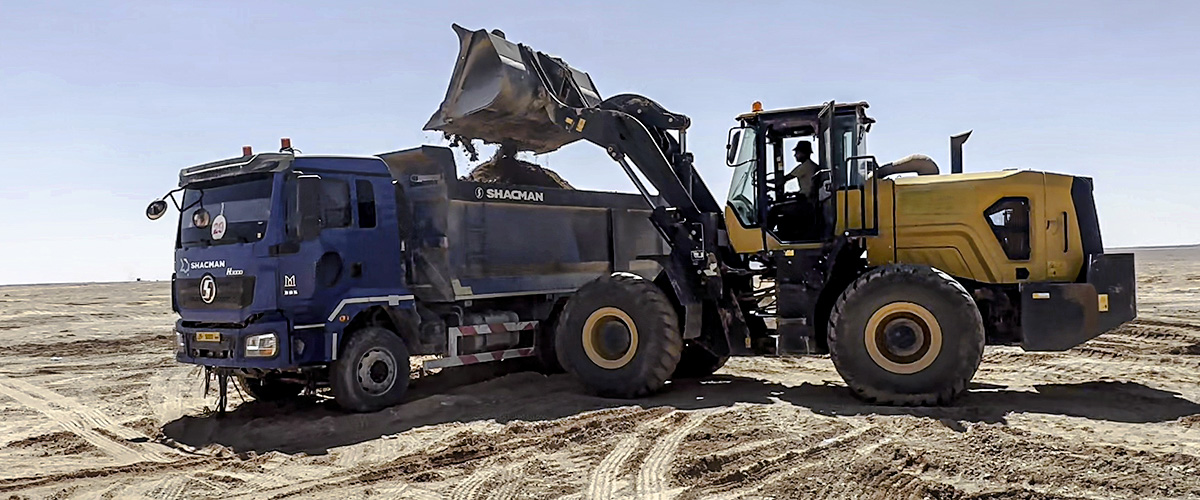
Among these landmark undertakings, airport construction presents particularly demanding requirements for heavy-duty transportation. Extensive earthworks, site grading and pavement sub-base preparation require the continuous movement of large volumes of soil and crushed stone. Backfilling for utility trenches and foundations for airfield ground lighting systems adds to the demand for reliable material transportation. Much of this work takes place before paved surfaces are established, with construction vehicles operating primarily on temporary unpaved roads.
Combined with summer temperatures of 35–40°C, heavy dust, high payloads and demanding construction schedules, these conditions place exceptional demands on vehicle durability, operational reliability and service support.
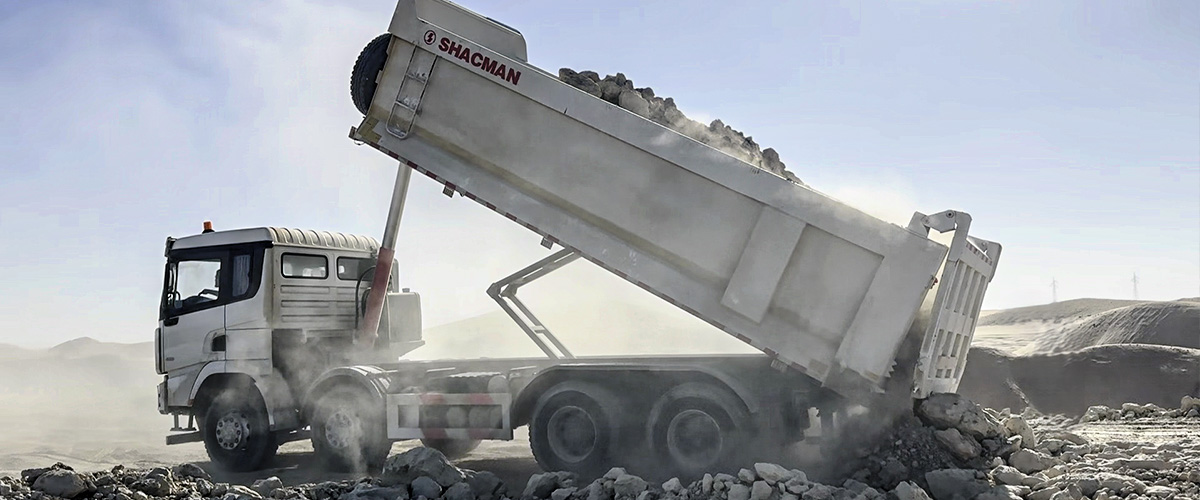
70 SHACMAN Trucks: Built for the Demands of the Jobsite
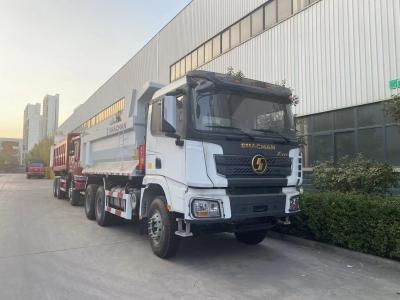
To support these operations, the contractor has purchased a total of 70 SHACMAN X3000 and H3000 dump trucks. The fleet is primarily deployed for bulk earthmoving, crushed-stone transportation and the delivery of construction materials, supporting critical stages of the airport's development.
Operating at gross vehicle weights exceeding 50 tonnes, the trucks regularly transport crushed stone and earth across loess terrain and temporary site haul roads. Under these conditions, with high ambient temperatures and continuous heavy-duty operation, vehicle availability is essential. Every hour of unplanned downtime can affect construction progress, making reliability a decisive factor in fleet selection.
A Competitive Investment Across the Entire Project Lifecycle
Beyond operational performance, the contractor's purchasing decision was driven by the need to optimize total investment throughout the project lifecycle.
Major infrastructure projects in the region typically span three to five years. Under local policies governing the disposal of construction equipment following project completion, contractors may need to sell part of their vehicle fleets when a project concludes. This makes initial acquisition costs and residual-value uncertainty important considerations when evaluating fleet investments.
Compared with European heavy-duty trucks, which generally involve higher purchase costs, SHACMAN offered a more competitive initial investment. Meanwhile, relatively low local fuel prices mean that fuel-efficiency differences have a comparatively limited impact on overall operating expenditure. Maintenance costs, repair expenses and vehicle downtime therefore carry greater weight in the customer's total cost assessment.
To address the specific demands of the airport construction environment, SHACMAN tailored the vehicle configuration with several key features:
● Enhanced air filtration: Oil-bath air cleaners provide improved intake protection in heavily dust-laden operating environments.
● Reinforced chassis: A strengthened chassis structure supports demanding heavy-load transportation and challenging site conditions.
● Proven powertrain: Cummins engines, which enjoy strong local market recognition, provide a familiar and well-supported powertrain solution.
Following a comprehensive evaluation of operating requirements, investment costs and long-term suitability, the contractor selected SHACMAN as its fleet partner.
Reliable Performance, Measurable Operating Benefits
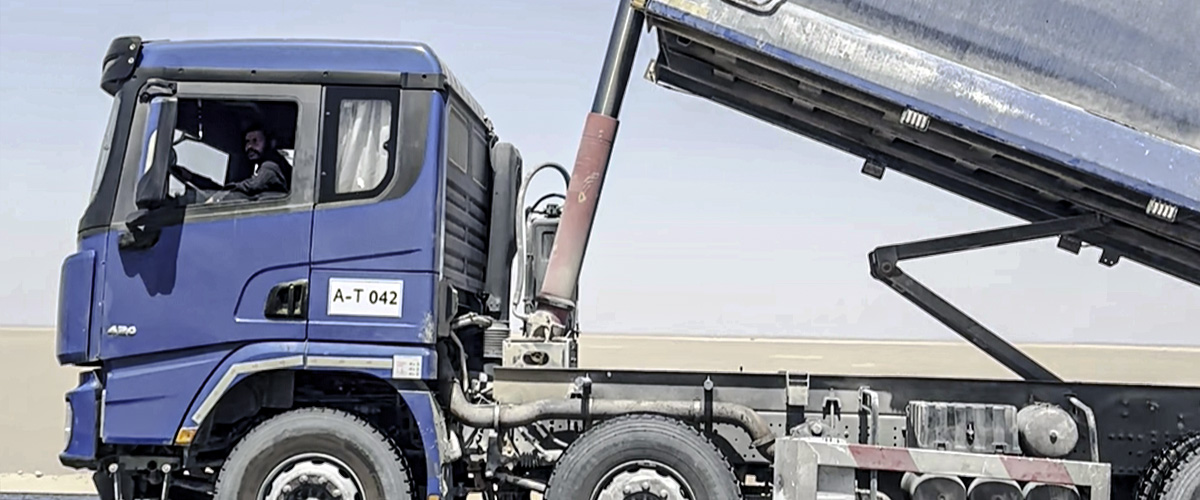
Since entering service, the SHACMAN fleet has demonstrated stable performance under demanding construction conditions.
At gross vehicle weights exceeding 50 tonnes, the X3000 dump trucks achieve fuel consumption of approximately 38–42 litres per 100 kilometres, representing an overall improvement of around 3–4% compared with the European heavy-duty trucks previously operated by the customer.
In addition, annual maintenance expenditure is expected to be approximately 4% lower than that of the previous fleet. Throughout the construction period, the trucks have experienced no major quality issues, with an exceptionally low failure rate. Tire service life has also improved, with tires now generally expected to last for the duration of the project cycle, helping to further reduce consumable costs.
Together, these results demonstrate the value of a vehicle solution designed around the customer's actual operating environment and investment priorities.
Comprehensive Service Support Keeps Projects Moving
For a contractor working against demanding construction deadlines, dependable after-sales support is just as important as vehicle performance.
Recognizing this, SHACMAN has established a comprehensive service and parts-support network across the region. Service engineers are stationed at the project site, providing responsive on-site technical assistance whenever required. Large parts warehouses in both the eastern and western parts of the region maintain stocks of fast-moving components, ensuring efficient parts supply and broad territorial coverage.
SHACMAN also proactively provides vehicle operation and maintenance training, helping the customer's personnel improve vehicle management, maintenance practices and day-to-day operating efficiency.
This integrated support system enables faults to be addressed promptly, minimizes parts-related delays and helps keep the fleet operational when construction schedules leave little room for disruption.
A Partnership That Extends Beyond One Project
The combination of dependable vehicle performance, competitive operating economics and comprehensive service support has earned SHACMAN strong recognition from the contractor. Highly satisfied with the fleet's performance on the airport project, the customer has expressed its intention to place further orders, with SHACMAN remaining its preferred brand for upcoming infrastructure developments.
An airport runway takes years of planning and construction before it can welcome its first aircraft. Behind that milestone are countless hours of earthmoving, material transportation and heavy-duty work carried out under demanding conditions.
For SHACMAN, delivering 70 trucks is only the beginning. The real commitment is to keep those trucks working reliably, day after day, throughout the entire project cycle.
Because when a project cannot afford to stand still, choosing SHACMAN means choosing reliability that goes the distance.